Posts

Seed Starting Mixes, Vegetable Seed Flats & Cells and How to Water Vegetable Seed Starts

Image
Seed Starting Mixes, Vegetable Seed Flats & Cells and  How to Water Vegetable Seed Starts I will hold videos that show you step by step (Everything!) from seed starting to growing your plants to full size. If you are just learning about gardening, this would be a great channel to subscribe too! I will be making video of all my steps in 2015. This video talks about what type of vegetable seed starting mix to buy, seed cells and flats, how to prepare the mix and pack the cells and how and when to water your seeds starts. I will be making videos on every step needed to start your own seeds indoors. Planting and lighting videos are next.\ I started a new YouTube Channel that is associated with this G+ Community: Our Tomato and Vegetable Gardens . Is also linked to my G+ Page : The Rusted Garden G+ Page Join My New YouTube Channel Just for NEW Gardeners: My First Vegetable Garden Join My Google+ Community Our Tomato and Vegetable Gardens (5000+ Members!) 400+ HD Short and to Point...
Understanding the Six Macro-Nutrient Garden Fertilizers: Nitrogen (N), Phosphorous (P), Potassium (K), Calcium (Ca), Magnesium (Mg) & Sulfur (S)

Image
Understanding the Six Macro-Nutrient Garden Fertilizers:  Nitrogen (N), Phosphorous (P), Potassium (K),  Calcium (Ca), Magnesium (Mg) & Sulfur (S) Vegetable garden fertilizers are generally classed as either macro-nutrients or micro-nutrients. There are six major macro-nutrients although we tend to think there are only 3: Nitrogen, Phosphorous and Potassium. There are also Calcium, Magnesium and Sulfur. They are not needed as much as N-P-K in the way of quantity but they have to be present in the soil for your vegetable plants to thrive. 6 Videos on 6 Macro-Nutrient Garden Fertilizers I did a six video series on the major macro-nutrients to explain to you what they are, what they do, how they work, how you can add them to your soil and give you recommendations on how to best use them or manage them. My goal is to provide you with information and principles that you can adapt to your own garden needs. Gardens vary greatly around the world. There is no exact recipe for the p...

How to Roast Garden Brussels Sprouts: Brine, Roast and Broil

Image
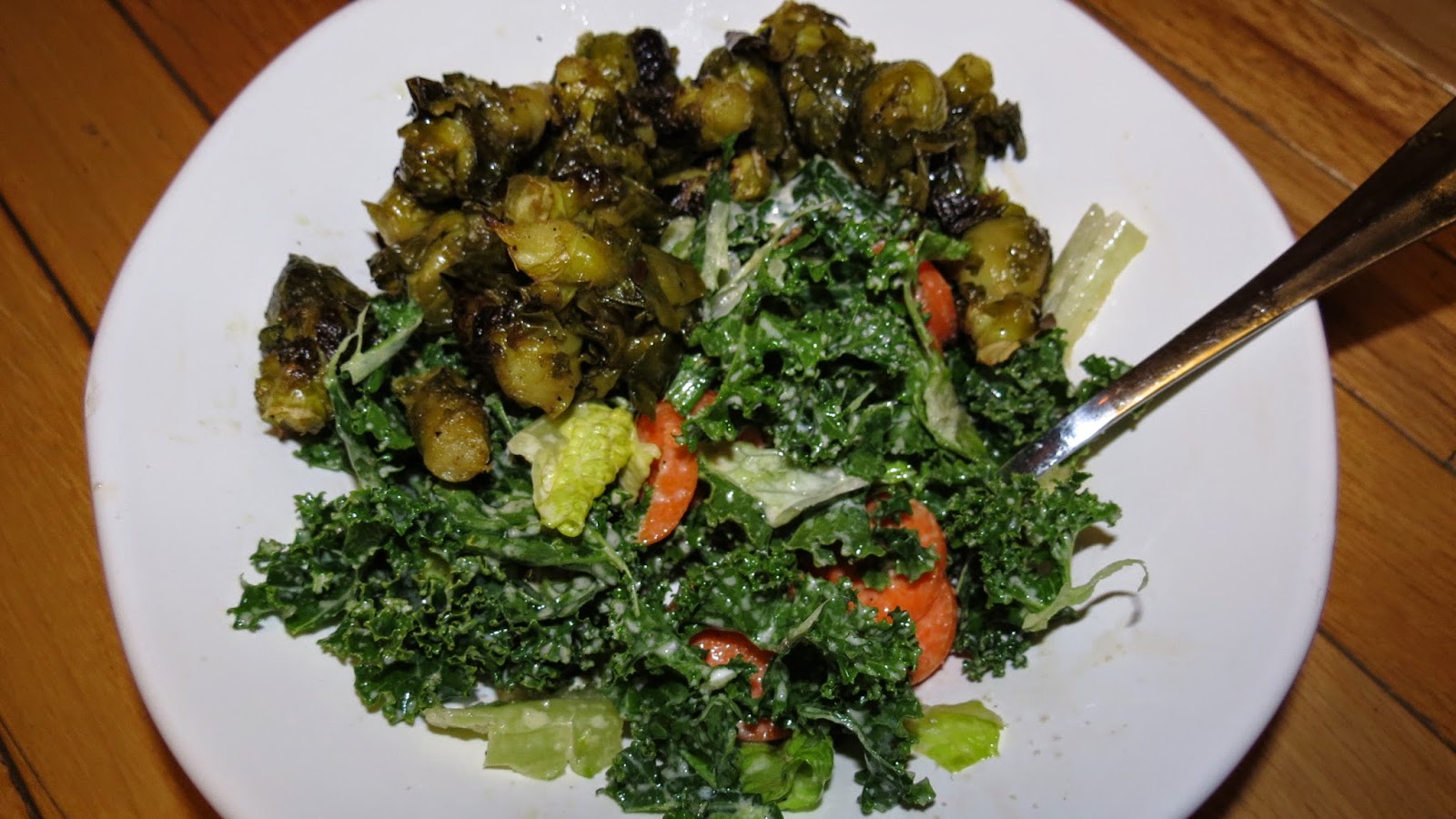
How to Roast Garden Brussels Sprouts:  Brine, Roast and Broil I once disliked Brussels Sprouts until I started growing them in my vegetable garden. They are a hardy vegetable that can take frost and a freeze. Today 11/24, here in Maryland Zone 7, I picked a bunch of Sprouts after a week of freezing temperatures. They survived perfectly. They are sweeter with the cold and freeze! This is how I brine them, roast them and broil them. Roasted Garden Brussels Sprouts and Kale Salad I ate my Brussels Sprouts with a kale salad that was also picked from my fall garden. Kale is another cool season crop that can take a frost. It does very well over-wintering here in Maryland Zone 7. Brussels Sprouts Sitting in a Brine Soak your Brussels Sprouts in a warm water salt brine for about 30 minutes. Let the salty water seep into the center of the sprouts. You can add garlic powder if you want. You can also make it an apple juice brine if you want to add some sweetness. Season the brine how you wish...

How to Effectively Use Eggshells to Make a Vegetable Garden Slug/Snail Barrier

Image
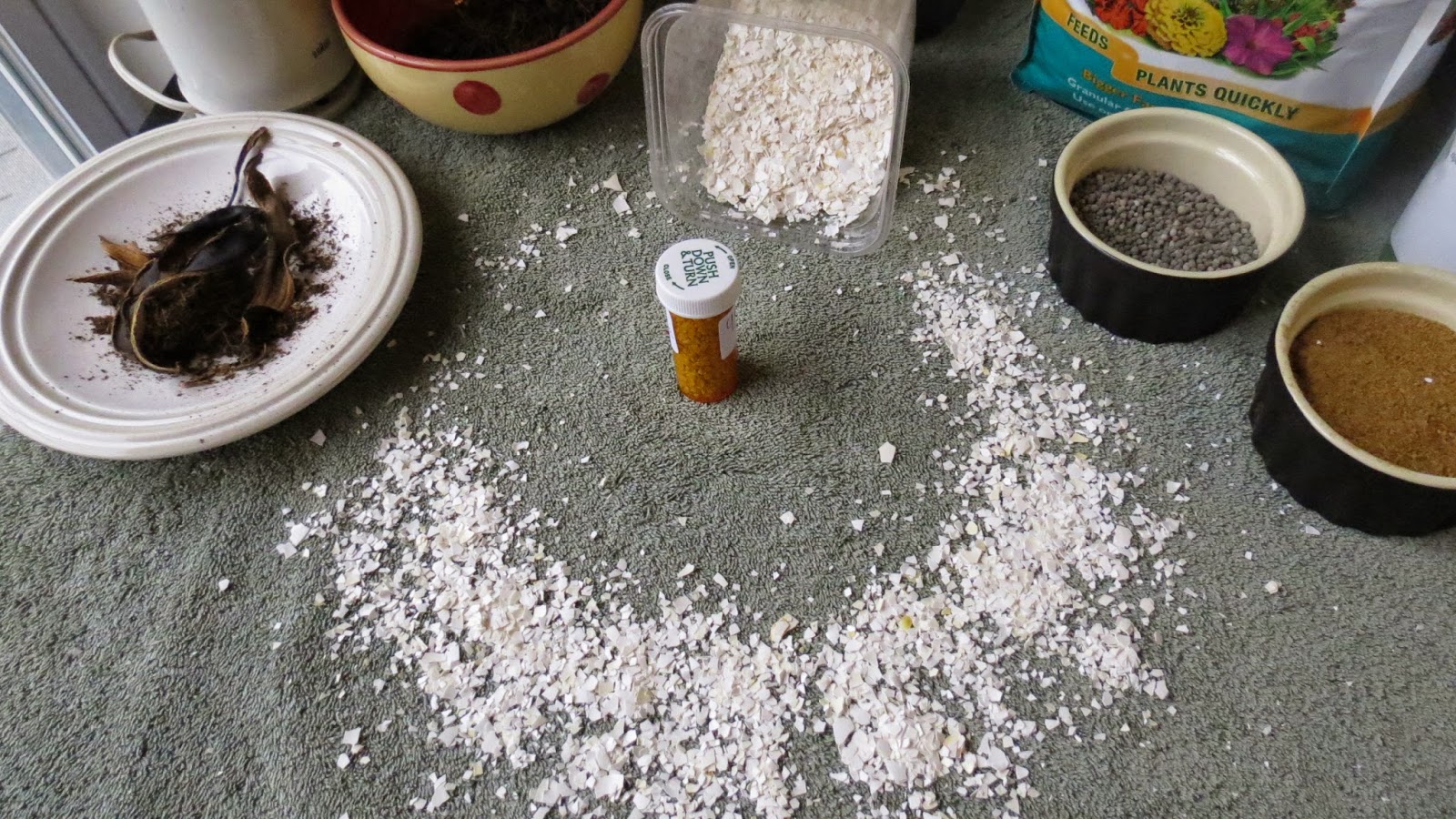
How to Effectively Use Eggshells to Make  A Vegetable Garden Slug/Snail Barrier Eggshells can be effective barriers that will stop snails and slugs from getting to your vegetable garden plants. However, you have to build the right barrier with eggshells crushed to the right size. The sharp edges of the eggshells irritate the skin of the pests. The barrier has to be wide enough to stop a slug from stretching over it and you have to put enough eggshells down so the snails can't work their way through it. Making a Garden Snail/Slug Eggshell Barrier This video shows you the general size to crush the eggshells and explains the general principle for making the barrier. Remember your barrier has to maintain itself even after a heavy rain. If your eggshell particles are two small they will be washed into the soil. If they are two big, the snails and slugs will be able to go over them with out getting deterred. Join My New YouTube Channel Just for NEW Gardeners: My First Vegetable Garden J...

Understanding Garden Nitrogen: Products, Organic vs. Synthetic, Use and Strategies

Image
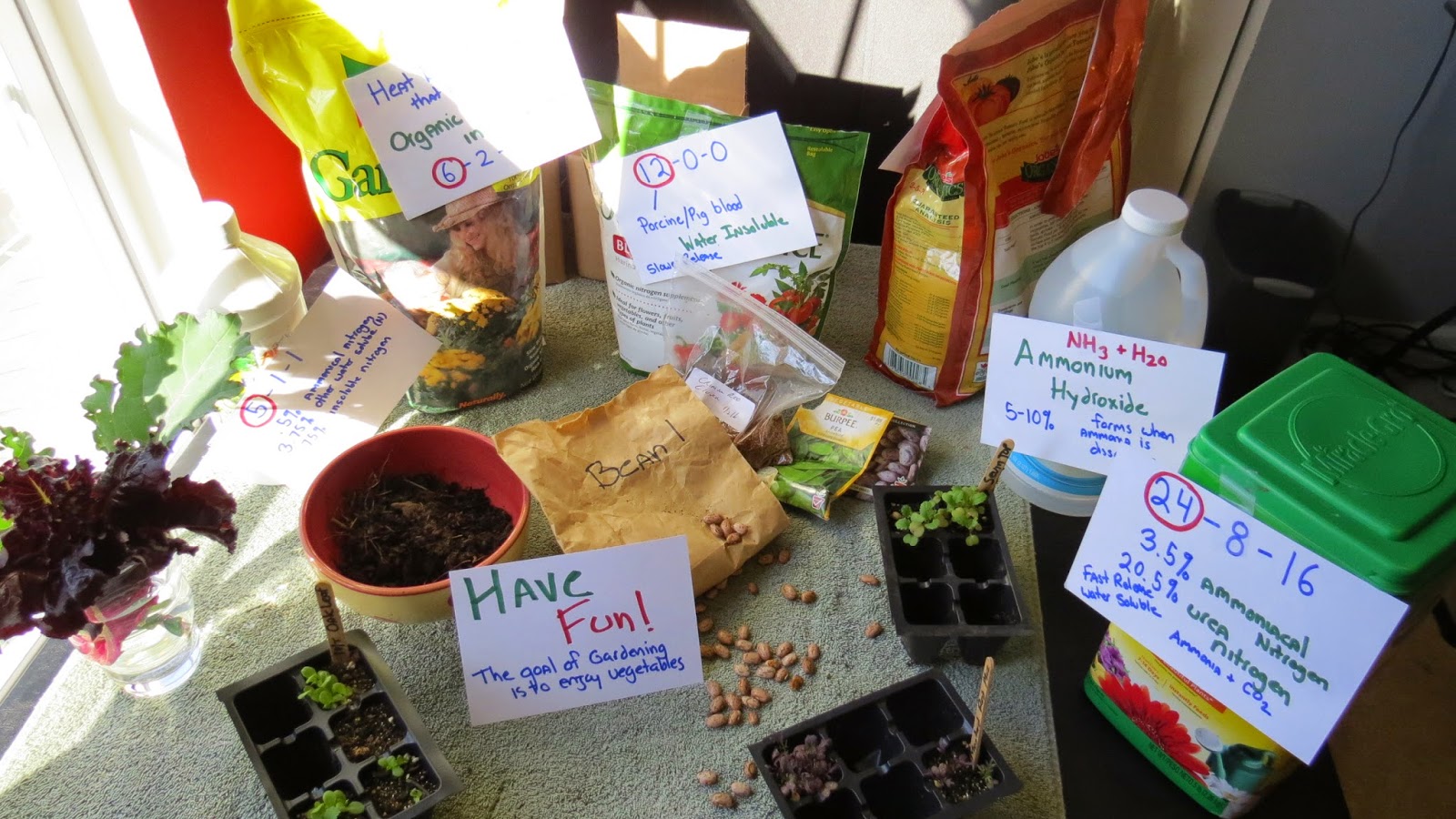
Understanding Garden Nitrogen: Products, Organic vs. Synthetic, Use and Strategies Nitrogen is a macro-nutrient which means it is a main element all plants need to grow. Without it, you can't really have a thriving garden. The earth's atmosphere is made up of nearly 80% nitrogen but plants can't use nitrogen in that form. It must be fixed or transformed into a form the plants can absorb and use. Nitrogen can be changed biologically or chemically. Biological forms are often called organic nitrogen. Chemically processed nitrogen is often called synthetic. Ammonia is the basis for chemical fertilizers. Understanding Nitrogen Fertilizer - TRG 2014 I made this video to help you understand the different forms of nitrogen available for your garden. I use both organic and synthetic forms of fertilizers. I also use compost and nitrogen fixing legumes like beans, red clover and peas. I believe is in using garden fertilizers in and educated and purposeful way. My recommendation is you...

How to Plant Garlic in the Fall: How, When and Why

Image
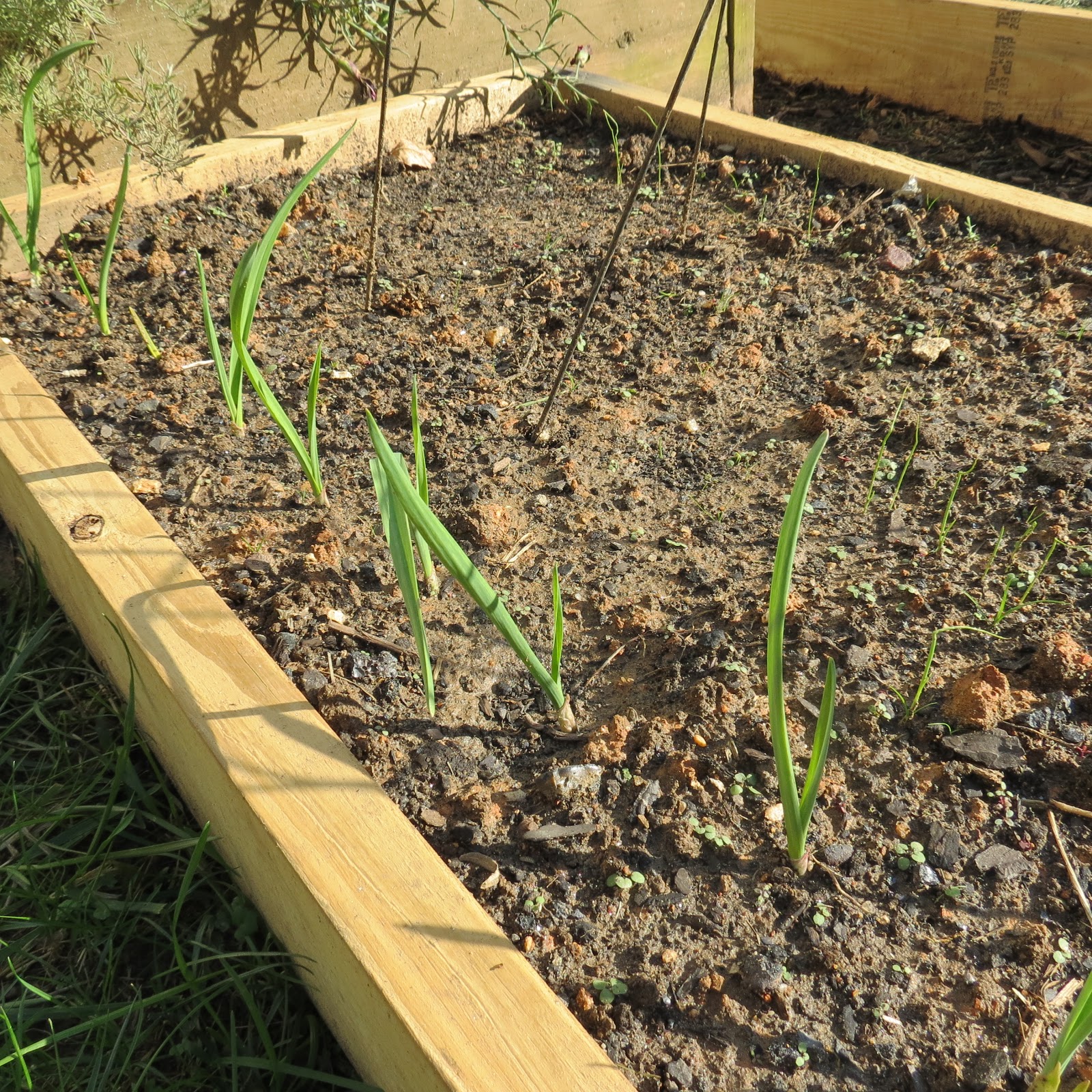
How to Plant Garlic in the Fall: How, When and Why My method for planting garlic is for gardeners in areas that get freezing winters. If you don't get freezing nights, snow and frozen ground... garlic bulbs are often pushed into the garden bed  surface, about an inch deep and covered with some mulch. I am in Maryland Zone 7 and my beds freeze in the winter. Garlic should be planted 3-4 inches deep depending on how much cold you get. The video will show you how I set up the soil and plant the garlic cloves, broken from the bulbs. I will use diffenernt fertilizers as available. I often use bone meal for phosphorous, as it helps with bulb growth, and blood meal for nitrogen. The key to nice size garlic bulbs is very loose soil and fall planting. Garlic Sprouts - The Rusted Garden 2014 You plant them in the fall for two reasons. The garlic will recognize the winter and come spring will set off to form a bulb. Planting them in the fall also allows the clove to sprout a tip and deve...

Fall is Here and Now is the Time to Build Raised Beds and Prepare Garden Beds for Next Spring

Image
Fall is Here and Now is the Time to  Build Raised Beds and Prepare Garden Beds for Next Spring Fall often signals the end of the gardening season. It is a great time of year to convert your earth beds over to simple raised beds or to increase the size of your garden with another raised bed or two. If you have a raised bed it also the time to clean out the old plants, amend your soil and prepare them for hibernation. Which really means tossing in some compost, dirt and maybe some cover crops. Come the spring, you just need to turn the beds and get them ready for planting. If you do the work in the fall, come spring you really just have to turn the soil, add what you like and plant your seeds. Raised beds are a great way to organize your garden. They can be planted earlier in the spring, as they drain better and warm faster. They also help you conserve resources by directing you time, amendments and money into the actual planting area. The space between the beds can be mulched for we...